

The twenty-first century promised progress, yet today’s world feels locked in a cycle of crisis. War, climate disasters, economic instability, and social fragmentation have merged into a single, ongoing emergency. Misinformation spreads faster than facts; social media amplifies outrage rather than understanding, and trust in institutions continues to erode. What was once called “public trust” now feels like nostalgia. In the digital age, even truth itself has become contested ground.
These crises are not isolated. They reflect deeper imbalances between power and justice, progress and sustainability, ambition and compassion. The solution is not merely political; it is moral. Without cooperation rooted in responsibility rather than profit or pride, progress will remain fragile.
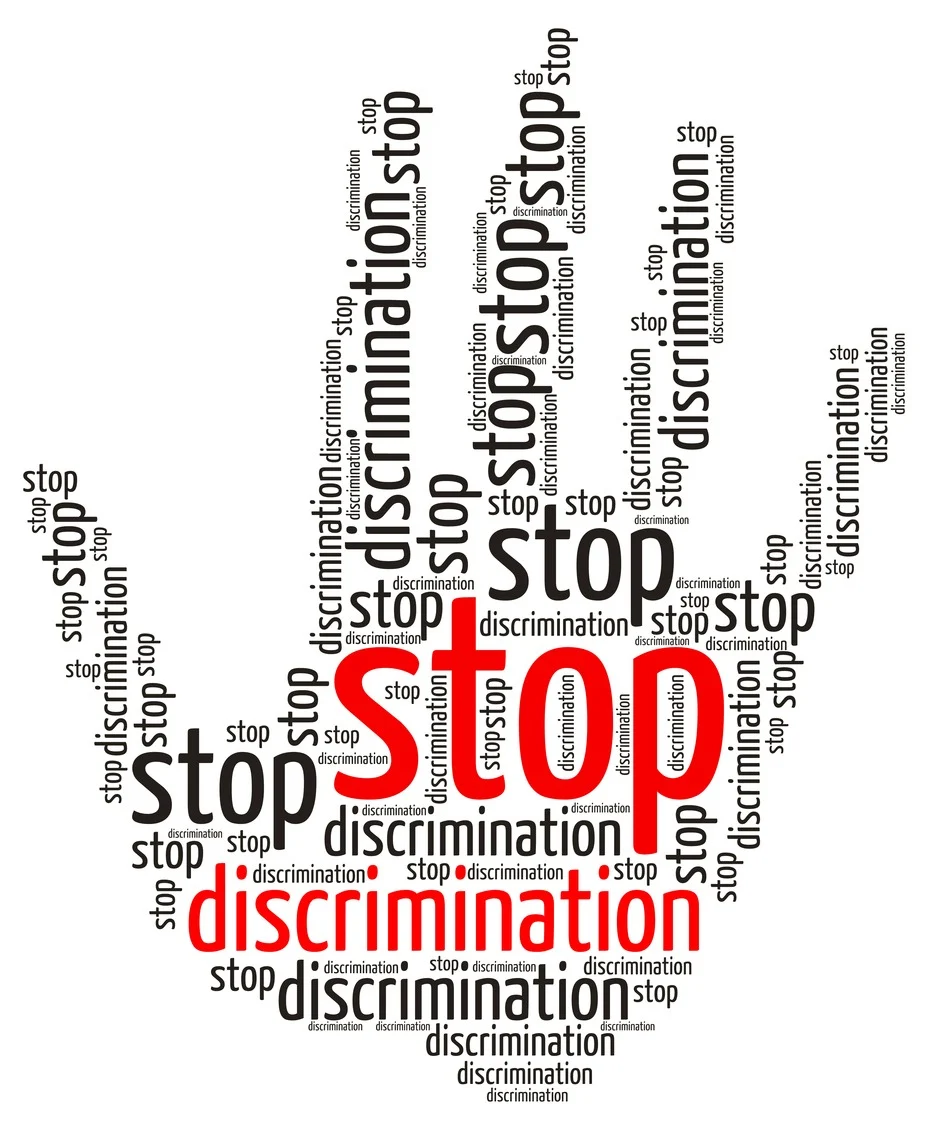
This imbalance is visible within Norway as well. On 6 November, Aftenposten published the article “Når Fatima bytter navn til Kari, øker lønnen” (“When Fatima changes her name to Kari, her salary increases”). The research highlighted in the article reveals a troubling reality: changing one’s name can significantly improve job prospects and income. This does not point to a problem with names, it exposes structural ethnic and religious discrimination, particularly affecting Muslims and other minorities.
Despite Norway’s reputation for equality, the article raises urgent questions about fairness in hiring practices. If a name alone influences access to work or wages, then merit is not the deciding factor. Skills, experience, and qualifications are being overshadowed by assumptions tied to background. Even more worrying is the impact on younger generations, many of whom now feel pressure to distance themselves from their Muslim identity to avoid exclusion.
Let’s be direct: Norway has a discrimination problem. And when social or economic pressure increases, migrants are repeatedly framed as the cause. Housing shortages, welfare strain, crime anxiety, migrants are blamed with predictable ease. This narrative is lazy and misleading.
Evidence consistently shows that people with immigrant backgrounds are more likely to face discrimination in employment, housing, and access to public services. This is not a marginal claim or activist exaggeration. It is documented in surveys, discussed in government reports, and acknowledged in mainstream media. When large numbers of people report the same experience, it demands accountability not dismissal.
Much of this discrimination is subtle. It rarely announces itself openly. It appears in the job application that receives no response, the temporary contract that never becomes permanent, or the unspoken expectation that “integration” means minimizing one’s identity to appear acceptable. Norway rarely shouts exclusion; it practices it quietly.
The contradiction becomes sharper when considering the role migrants play in society. They are essential to Norway’s workforce, healthcare, transport, construction, cleaning, and food services depend on them. Yet public debate continues to portray them as a burden. When political leaders speak forcefully about stricter immigration rules and deportations but remain comparatively quiet on discrimination, inequality, and segregation, they reinforce a damaging message: migrants are useful, but not fully welcome.
Recent cases in which municipalities were accused of favoring certain refugee groups over others reveal another uncomfortable truth. Discrimination is not confined to social attitudes; it can also find its way into policy when fear and bias go unchallenged. While government action plans targeting racism and anti-Muslim hatred are necessary, no document alone can change entrenched mindsets. Laws are only effective when society chooses accountability over scapegoating.
Here is the reality that must be acknowledged: migrants did not create Norway’s structural problems. They did not design the housing market, underfund integration programs, or introduce inequality in schools and workplaces. These outcomes are the result of long-standing political and economic choices. Blaming migrants distracts from the difficult but necessary work of reforming systems that were never as equitable as Norway often assumes.
Norway prides itself on fairness, solidarity, and social trust. But these values are only meaningful if they apply to everyone. Progress requires confronting uncomfortable truths, not hiding behind a polished national self-image. If Norway continues to choose scapegoats over solutions, it risks becoming exactly what it claims it is not.


Leave a Comment