

Norway is known for putting the best interests of children first. Children’s rights are supposed to be the foundation for every decision that affects them. But for many families in Søndre Nordstrand District, reality feels very different.
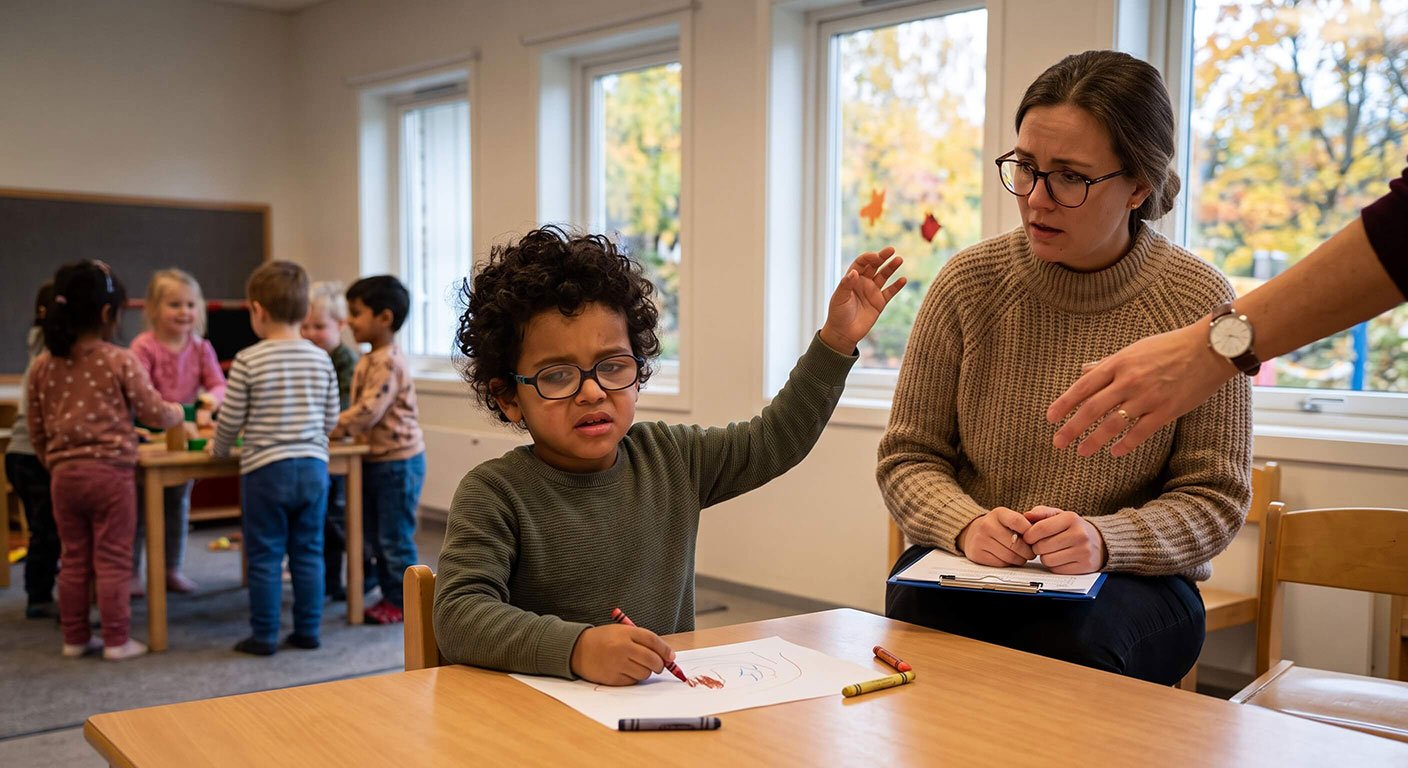
The recent case from Mortensrud has raised important questions. A five-year-old boy, who is almost blind, has epilepsy, and lives with a rare genetic condition, depends on one-to-one support to participate safely in kindergarten. When he received 20 hours of individual support per week, both his parents and kindergarten staff saw clear progress. He became more confident, more active, and had a greater opportunity to participate with other children.
Despite this progress, Søndre Nordstrand District decided to reduce his support to just five hours per week.
This raises an important question: How can a child be expected to be ready for school when the support that helps him develop is being reduced?
The parents also applied for respite care after recommendations from healthcare professionals. Instead of receiving the support they requested, the family was offered guidance sessions. When the parents decided not to continue with this follow-up, they were later contacted by child welfare services after a concern report was sent by the Oslo help center.
The parents found this experience extremely difficult. They believe that an earlier situation, where the mother panicked during one of her son’s epileptic seizures, was presented without important details. After a two-month investigation, child welfare services concluded that there was no basis for further follow-up of the family.
Although the case was closed without any action, the parents say the experience has seriously damaged their trust in the system.
This family is not alone. Many families with children who have disabilities or complex needs describe long waiting times, repeated assessments, and reduced support instead of the help their children actually require.
At the same time, kindergarten staff are doing everything they can. Employees want children with special needs to receive the support they need to develop and be as prepared as possible for starting school. However, kindergartens can only work with the resources provided by Søndre Nordstrand District. When support hours are reduced, their ability to give children the necessary follow-up is also limited.
This is not only about one child. It is about many children and families facing the same struggle.
This situation raises important questions: Why are support hours being reduced instead of increased? Are financial considerations becoming more important than children’s needs? And if the best interests of the child truly come first in Norway, why do so many parents have to fight for rights their children are already supposed to have?
No parent should have to spend years fighting the system to secure the help their child needs. No child should lose opportunities because essential support is reduced.
This is not just the story of one five-year-old boy.
It is the story of many children in Søndre Nordstrand District who are still waiting for the support they need and the support they have a right to receive.
Because the most important question is not whether these children need help.
The question is whether the system is truly putting the best interests of children first.

Leave a Comment